

Sleeping With Your Dog in Bed – Yes or No?
The idea of having your dog in bed with you can be appealing—there’s nothing quite like the comfort of having your furry companion by your side. But while sleeping with your dog in bed may seem like a cozy option, it’s not always the best choice for everyone. In this article, we explore the benefits and potential drawbacks of having your dog in bed with you, helping you decide if it’s the right arrangement for both you and your pet.
The Benefits of Dogs in Bed
There’s something undeniably heartwarming about curling up in bed with your dog. Whether it’s their wagging tail or soft snores that lull you to sleep, dogs bring unique advantages to bedtime. Here’s a closer look at why sharing your bed with your four-legged friend might be a great idea.
1. Bonding and Stress Relief
Sleeping with your dog strengthens your feelings for each other—and science backs it up!

Studies show that when you snuggle, pet, or even just lovingly gaze at your dog, your brain releases oxytocin, the “love hormone.” This chemical not only creates that warm, fuzzy feeling but also reduces cortisol (the stress hormone), lowering your heart rate and blood pressure (*).
Best of all, the bond goes both ways: when your dog looks at you with adoring eyes, their brain releases oxytocin too. That mutual wave of affection deepens your connection, making bedtime cuddles a great way to strengthen your bond. So, whether it’s a full night’s sleep or an afternoon nap, enjoy knowing you’re strengthening your special connection while easing stress.
2. Safety and Security
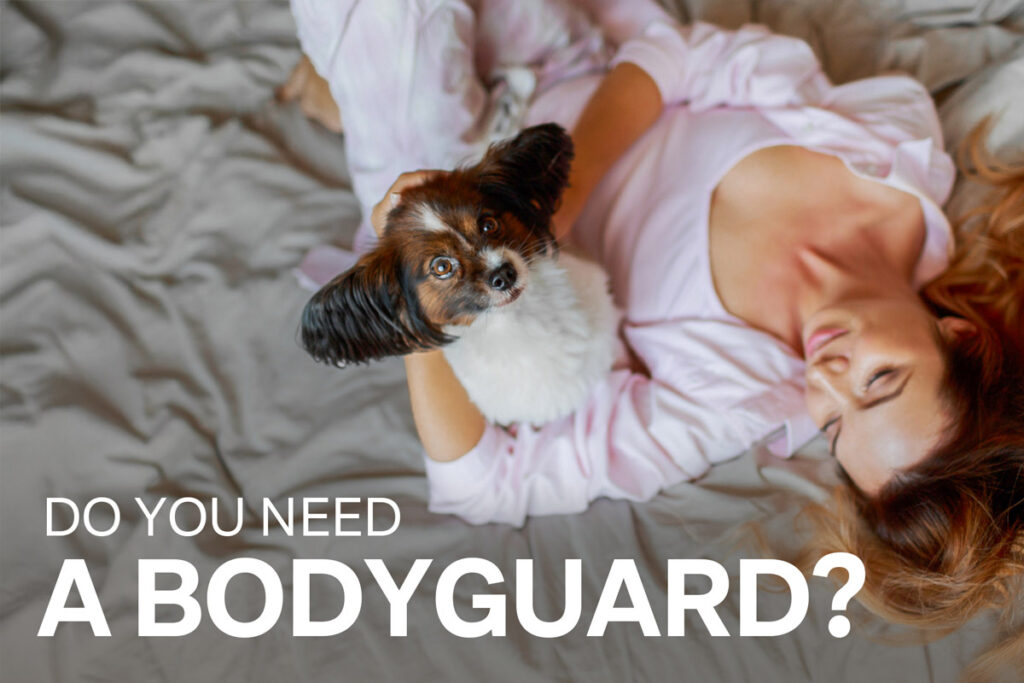
Sleeping with your dog can provide a reassuring sense of safety. Thanks to an incredible dog’s hearing and sharp sense of smell, they act as a natural early warning system, alerting you to unusual sounds or scents. This can be especially comforting for older adults or people living alone, offering peace of mind during the night.
Knowing your loyal companion is by your side while you sleep can ease anxieties about potential threats, helping you rest more peacefully —plus, they’re the cutest security system around!
3. Support Against Loneliness and Depression
Sleeping with your dog can provide immense emotional comfort, especially for those facing mental health challenges.

Interacting with pets has been shown to lower cortisol, the stress hormone, while boosting oxytocin, the “feel-good” hormone. Nighttime cuddles amplify these benefits, offering comfort, safety, and a sense of stability. For individuals dealing with depression or PTSD, this emotional support can lead to a more restful and restorative sleep.
For those struggling with loneliness or grief, having a dog as a bedtime companion can be deeply soothing. Their gentle presence and rhythmic breathing create a peaceful environment, reducing feelings of isolation and bringing a sense of calm to the night.
4. Warmth

Dogs are natural heaters, keeping you cozy on cold nights. A dog’s body temperature is about 3-4°F (1.5-2°C) warmer than ours, making them excellent sources of heat. Whether curled up at your feet or nestled by your side, your pup can act like a furry hot water bottle, helping you fall asleep faster and sleep more deeply.
When Having Your Dog in Bed Might Not Work
While sharing your bed with your dog can be a joy, it’s not always the best option for everyone. Below are some reasons why sleeping with your dog in bed might not work for you—or for them.
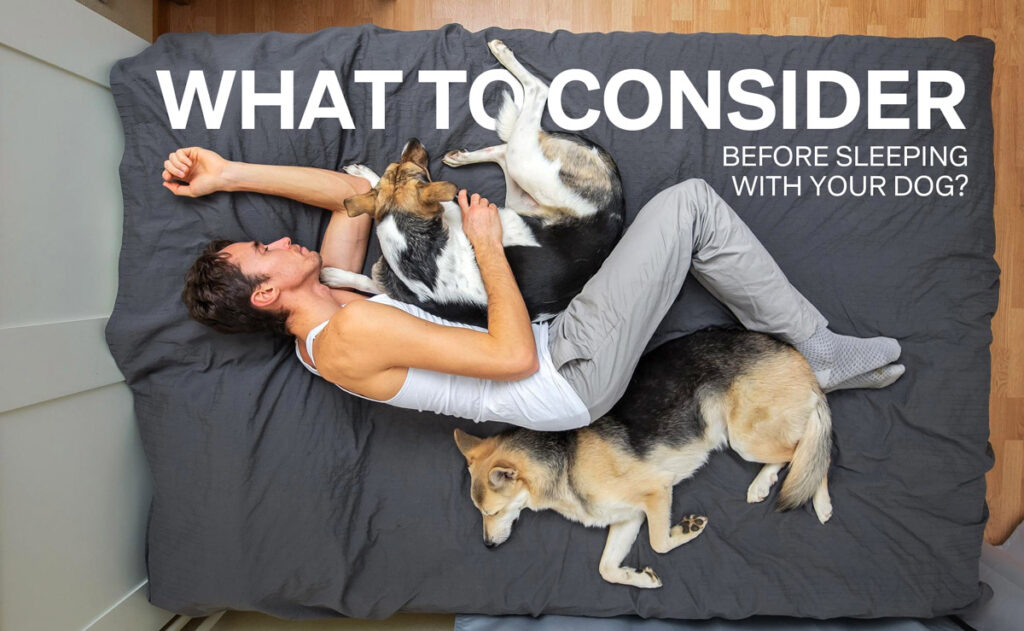
1. Disrupted Sleep
a) Restless nights for you
Dogs are naturally alert, even when asleep, and their dog noise sensitivity can sometimes lead to restless nights for both of you. They tend to wake up frequently to shift positions or check their surroundings. While this instinct is great for alerting you to real dangers, like a fire or an intruder, it’s less helpful when your pup reacts to a car driving by or the moonlight shining through the window.
If your dog also snores, twitches or has a habit of switching between sleeping spots—like the bed, their own bed, or the couch—their movements can further interrupt your sleep. Active dreamers or restless pups might accidentally nudge or bump you, causing interrupted sleep and leaving you feeling exhausted.
Sleep disruptions can have long-term effects on your mood, energy, and overall health. In such cases, creating a separate, comfortable sleeping area for your dog might help ensure a more peaceful night for both of you.
b) How Your Movements Impact Dog Sleeping
Dogs need quality rest just like humans, and if your movements disturb them, they might not get the deep sleep they need. That said, dogs are pretty good at deciding what’s best for themselves. If your bed isn’t comfortable for them or they’re not sleeping well, they’ll likely find another spot on their own.
2. Safety Risks

a) The Hidden Risks of Sharing a Bed with Your Dog
Sharing a bed with your dog can be risky for small breeds, puppies, or dogs with health issues. Jumping on and off the bed can strain joints, especially for long-backed breeds like Dachshunds or dogs with arthritis. Falling off during vivid dreams or seizures is another concern.
Toy breeds are particularly vulnerable, with rare cases of owners accidentally rolling over on them. To keep your dog safe, consider ramps, stairs, or a ground-level bed, and let them sleep on top of the blankets if you’re under the covers.
b) The Threat of Parasites
Allowing your dog in bed can introduce fleas, ticks, and other pests, which can hitch a ride from outdoor adventures and infest your home. Pets can also transmit skin conditions like ringworm, and while rare, some diseases can be passed between dogs and humans. To minimize the risk, consider keeping your dog off the bed, especially if fleas and ticks are common in your area.
c) Allergies and Asthma
Dog allergies affect 10-20% of the global population, and sleeping with your dog can exacerbate symptoms like coughing, sneezing, itchy eyes, and even difficulty breathing, especially for those with asthma.
Pet dander and saliva cling to bedding, making it easy for allergens to trigger reactions, even if your dog isn’t in bed with you at that moment. For those with serious allergies, keeping your dog off the bed might be a smart move.
3. Dirt and Cleanliness

Dogs are naturally exposed to dirt, germs, and even litter, and when they hop into bed, they bring it all with them. This is especially true on rainy days, when they may come inside with wet, muddy paws. From dirt on their feet to shedding fur, your bed becomes a shared space for more than just cuddles.
Regular grooming helps reduce hair buildup, and wiping your dog’s paws before they climb into bed can minimize dirt. To keep your bed cleaner, consider a washable dog blanket or a designated pet bed that’s easier to maintain.
Puppies, older dogs, or those with medical conditions might occasionally have accidents in bed. Cleaning up urine or other messes in your bedding can be inconvenient and frustrating, especially if it happens repeatedly. If this is a concern, creating a designated sleeping area for your dog might reduce the stress for both of you.
4. A Romance Blocker
Having a dog in bed can crowd the space and disrupt intimacy, potentially affecting your relationship. Dogs may react to romantic moments with confusion or defensiveness, and in some cases, they might even become protective or aggressive.
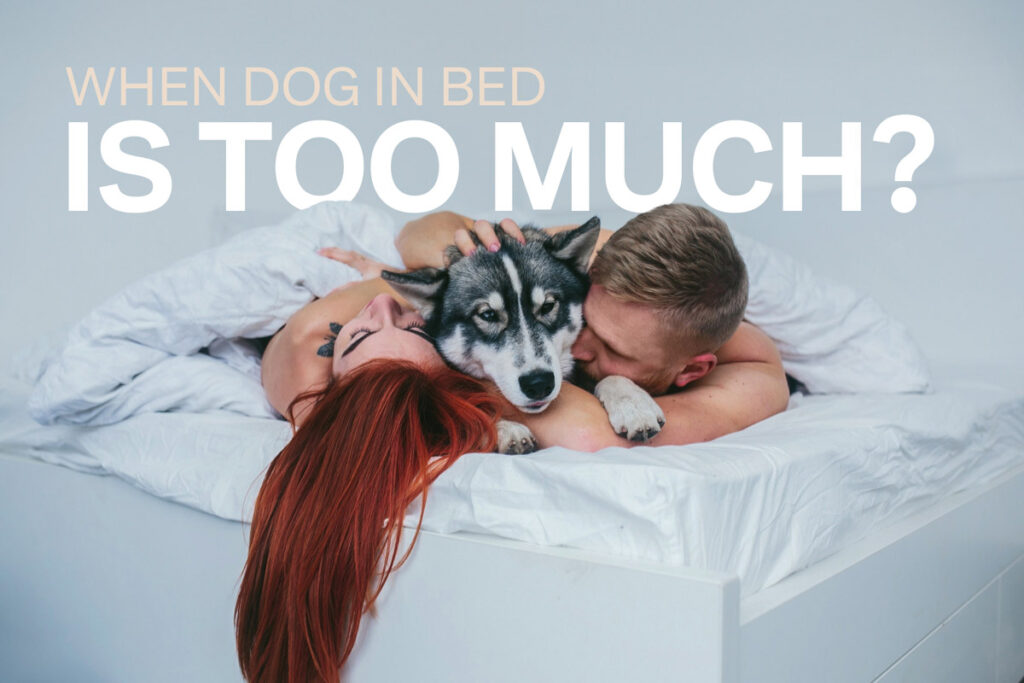
This can be especially tricky in new relationships if the dog is used to having the bed to themselves and views a partner as an intruder. To keep things balanced, communicate openly with your partner, set boundaries for certain nights, or redirect your dog’s attention with a toy or another space to relax.
Your Dog Needs Their Own Bed Too
Even if your dog sleeps with you, they still need their own space. Research from the Mayo Clinic shows that while sharing a room doesn’t disrupt human sleep, sleeping with your dog in bed can lead to more movement and less restful sleep for both you and your dog. (*)

Dogs sometimes feel too warm or cramped in a human bed and may prefer to sleep elsewhere. Having their own bed gives them a consistent, comfortable space to retreat to when they need rest or alone time. It also provides them with a secure and supportive spot, especially on nights when bed-sharing isn’t an option.
Dogs sleep best in quiet, dark environments, so it’s important to give them a space where they can rest peacefully. Whether it’s a traditional dog bed, a raised platform, a crate, or an indoor dog house, these options ensure your dog has a comfortable, secure space. If you’re watching TV in bed, a Pet Shell provides a great retreat for your dog, offering them a calm, undisturbed place to rest. This small addition can make a big difference in their well-being and sleep quality, while also ensuring a good night’s rest for both of you.
Conclusion
Ultimately, whether your dog sleeps in bed with you or has their own space, it’s important to create a comfortable and secure environment for both of you. If your dog enjoys the closeness of sharing your bed, it can strengthen your bond and provide emotional support. However, if you both benefit from a little more personal space, providing your dog with their own designated sleeping area ensures they get the rest they need. No matter the arrangement, it’s key to find what works best for your unique needs and priorities.


